 11
11
As the rainy season approaches and concerns over waterway accidents intensify, the Waterfront Boat Owners and Transporters Association of Nigeria (WABOTAN) has commended the National Inland Waterways Authority (NIWA) and the Lagos State Waterways Authority (LASWA) for their sustained collaboration in promoting safer inland water transportation across the country.
The President of WABOTAN, Mr. Tope Fajemirokun, said the combined efforts of both regulatory agencies have significantly improved safety awareness and compliance among boat operators and passengers, particularly in Lagos and other riverine communities.
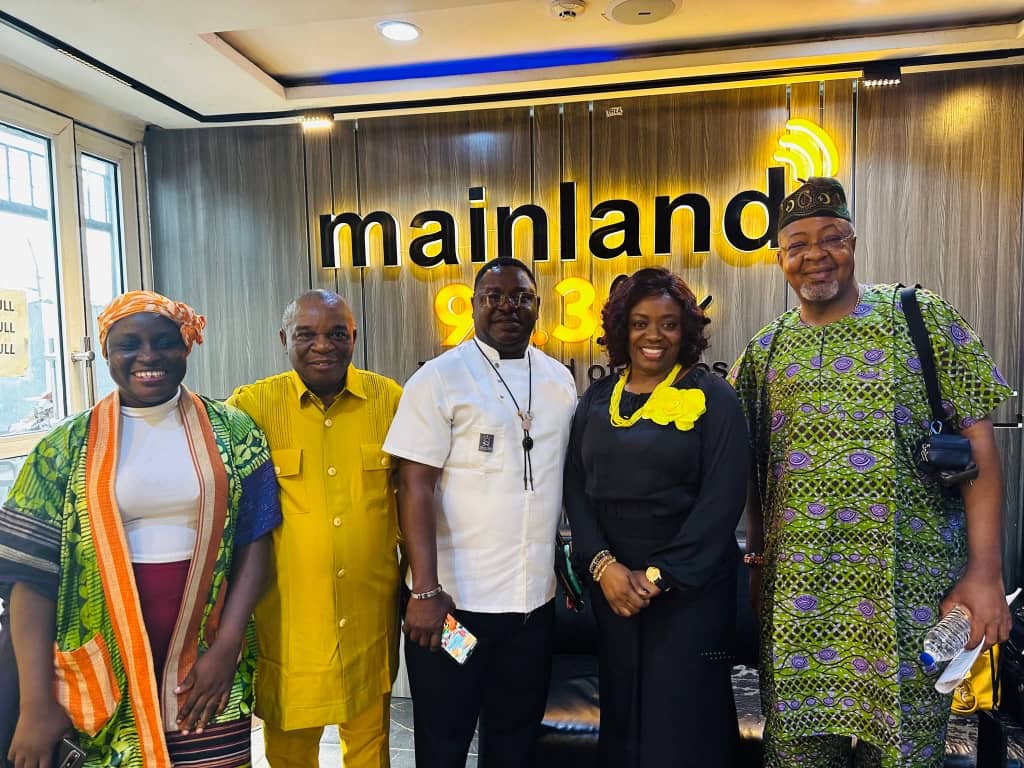
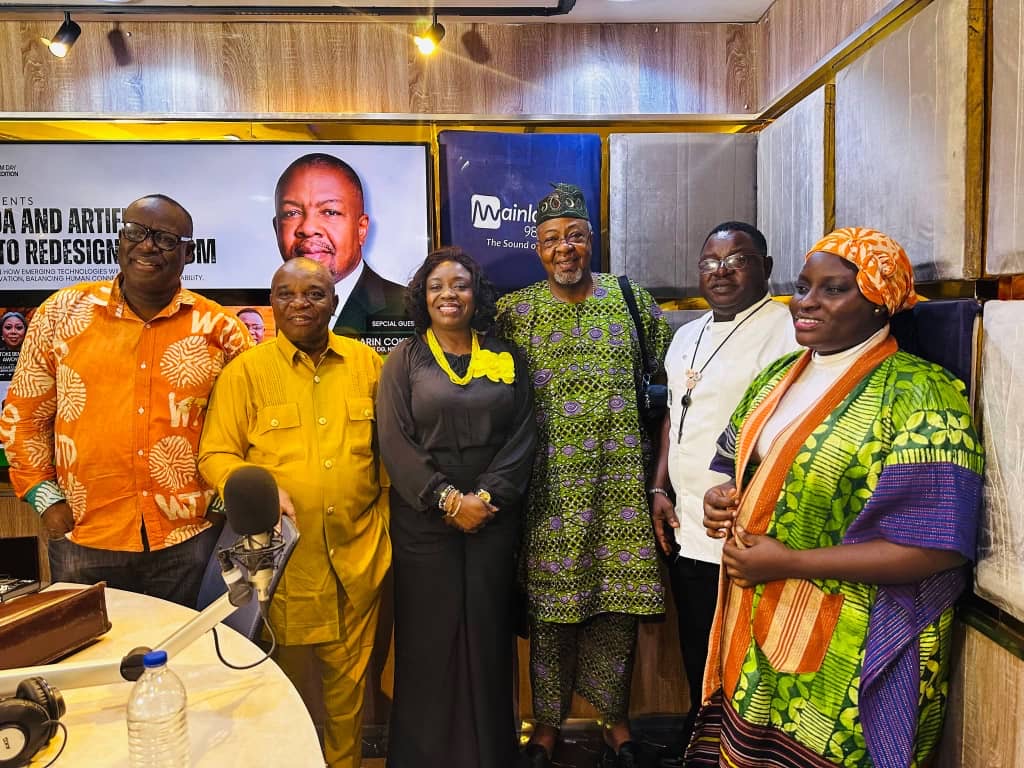
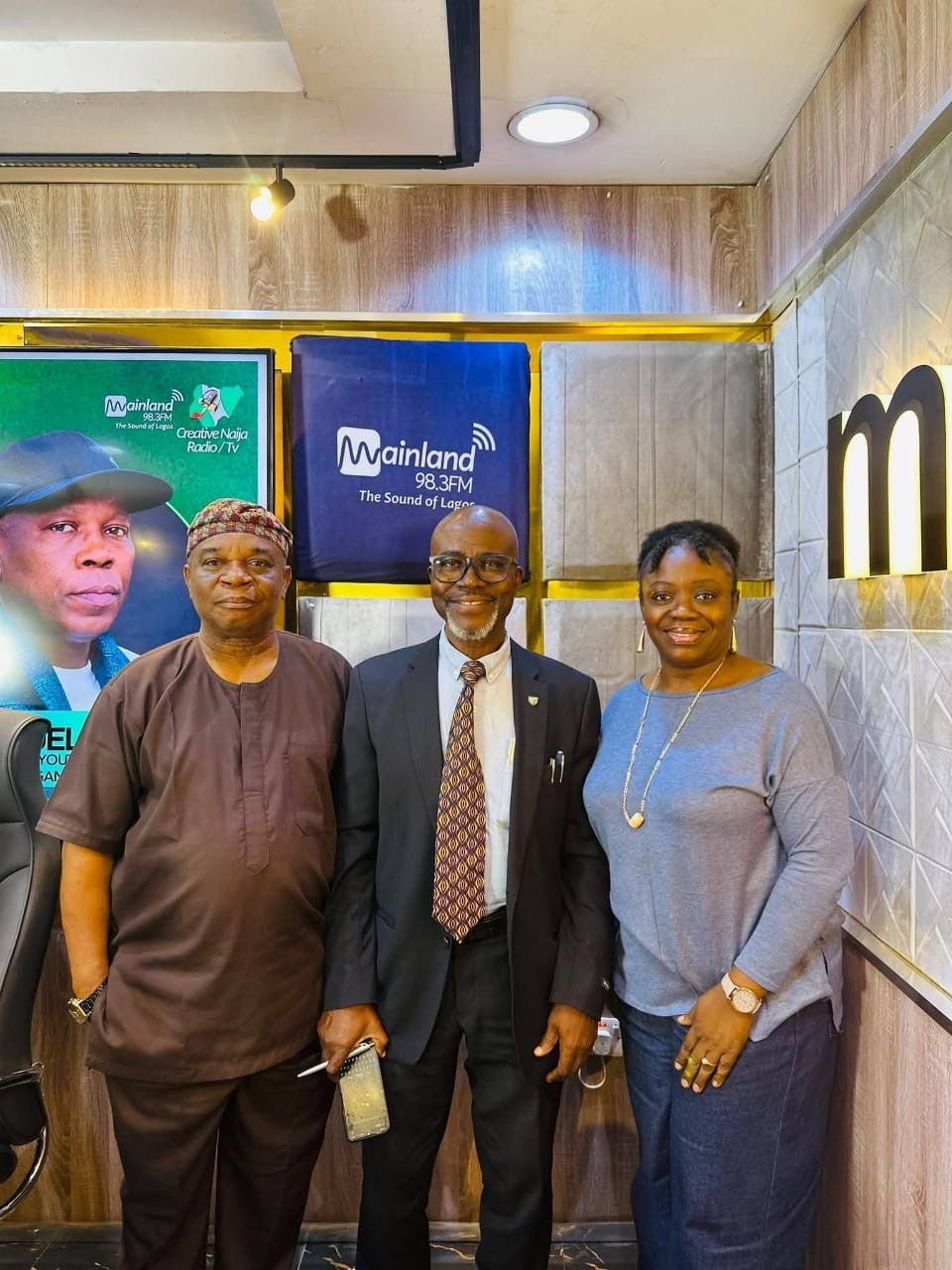
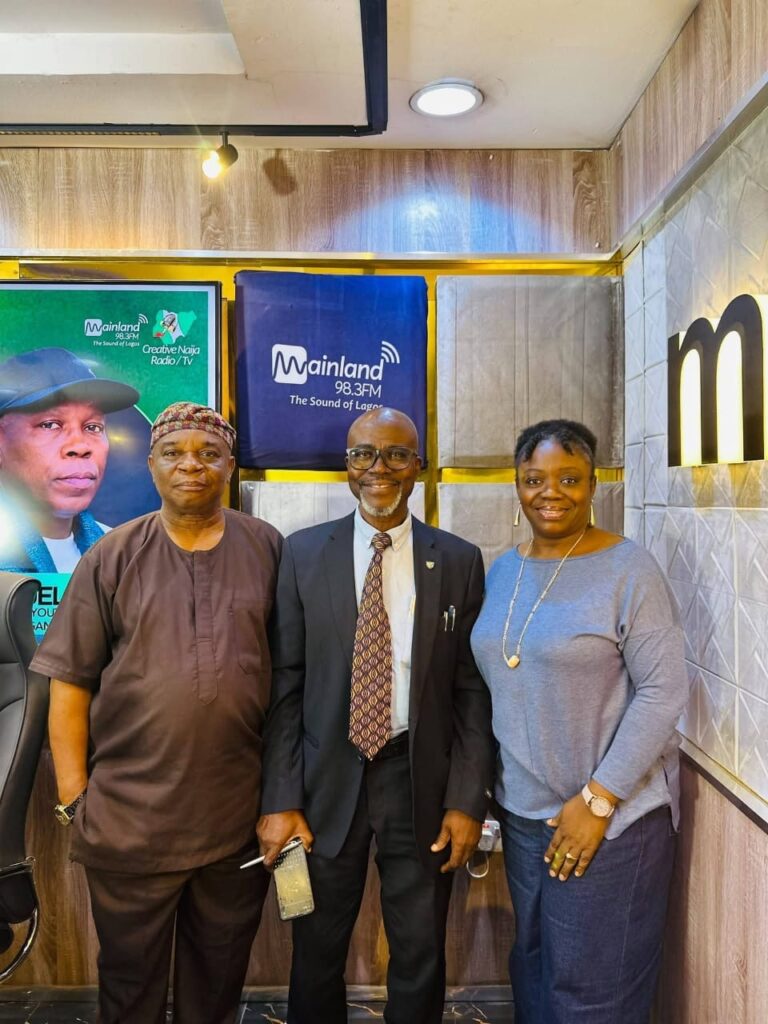
Speaking during Villa Square, a special segment of Cr8tive Naija aired on Mainland 98.3 FM Lagos, Fajemirokun praised NIWA and LASWA for their commitment to strengthening safety standards and supporting stakeholders in the water transport sector.
According to him, WABOTAN has intensified sensitisation campaigns and safety training programmes for operators ahead of the peak rainy season, when water transportation risks are often heightened.
“Since the beginning of the year, we have continued to educate our members on safety procedures. We have already conducted two safety induction programmes and are planning another before August.
Our goal is to ensure that operators remain vigilant and fully prepared for the challenges associated with the rainy season,” he said.
Fajemirokun acknowledged LASWA’s recent efforts in clearing water hyacinth from Lagos waterways, describing the intervention as critical to safe navigation and efficient water transport operations.
He noted that the association enjoys a strong working relationship with both NIWA and LASWA, adding that the partnership has helped deepen compliance with safety regulations nationwide.
Despite these gains, the WABOTAN president expressed concern over increasing operational costs confronting boat operators, particularly rising fuel prices and broader economic pressures that have made fleet expansion and vessel acquisition more difficult.
He stressed the need for greater government support to enable operators transition from unsafe wooden and banana boats to safer and more modern vessels.
“The government needs to support operators just as the Lagos State Government has been doing. If we are serious about phasing out unsafe boats, then financial assistance and investment in the sector are necessary. Water transportation has enormous potential, but operators need help to modernise their fleets,” he stated.
Fajemirokun also highlighted safety concerns in coastal states such as Rivers and Bayelsa, where waterway incidents often increase during the rainy season due to harsh weather conditions and proximity to the Atlantic Ocean.
He disclosed that WABOTAN, with support from NIWA, is expanding safety awareness campaigns in those states and other parts of the country to reduce accidents and improve compliance among operators.
On the economic viability of water transport, he lamented the high cost of ferry services, noting that expensive fares continue to discourage many commuters from embracing waterways as an alternative mode of transportation.
According to him, strategic government investment and targeted interventions would help reduce operational costs, improve affordability and encourage wider adoption of water transport services.
Also speaking during the programme, veteran maritime journalist and tourism advocate, Frank Meke, urged government authorities to move beyond policy rhetoric and invest more aggressively in developing Nigeria’s water transportation infrastructure.
He argued that expanding water transport would help decongest heavily burdened road networks, particularly in cities such as Lagos, while creating new opportunities within the country’s growing blue economy.
Meke further called for the provision of soft loans for boat operators, improved vessel acquisition programmes and regular capacity-building initiatives for boat captains, crew members and passengers.
He also advocated the declaration of a state of emergency in the water transportation sector, stressing that inland waterways remain one of Nigeria’s most underutilised assets for economic development and mobility.
Fajemirokun concluded by reiterating the importance of safety compliance, urging all operators and passengers to prioritise the use of life jackets and adhere strictly to established safety regulations.
“Safety must remain our number one priority. Every passenger should wear a life jacket before boarding a boat, regardless of the distance being travelled. Lives must always come first,” he said.